Primaries Crisis Rocks APC as Reps Fight Back Over Ticket Losses
 Margaret ABAH
By Margaret Abah
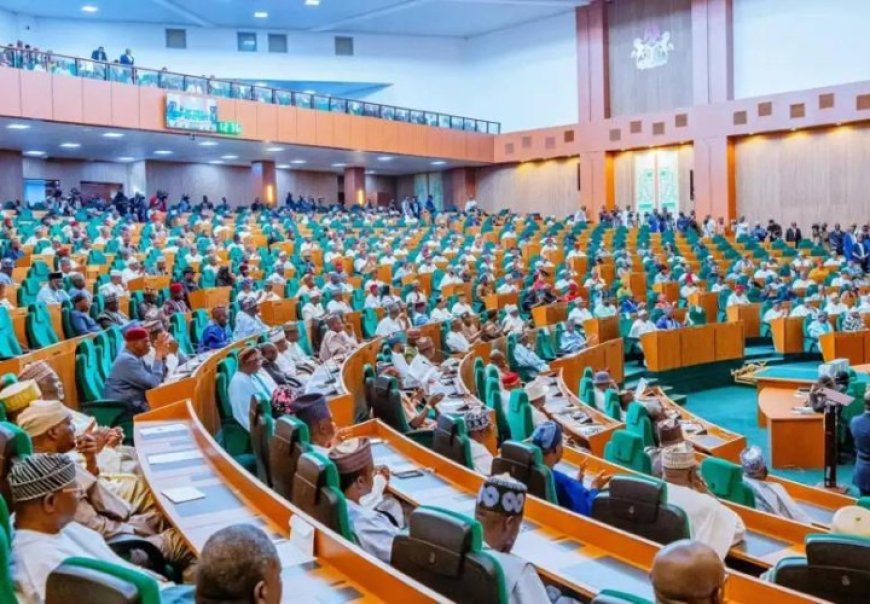
The All Progressives Congress House of Representatives primaries ahead of the 2027 general elections have triggered one of the party’s deepest internal crises in recent years, with at least 26 serving lawmakers losing return tickets across several states.
The primaries, marred by allegations of manipulation, imposition, violence, consensus arrangements and irregularities, exposed widening cracks within the ruling party as governors, political blocs and influential power brokers battled for control of party structures and candidacies.
Several aspirants were also disqualified, while others withdrew from the race amid growing discontent over the conduct of the exercise.
The APC National Publicity Secretary, Felix Morka, confirmed that 14 aspirants were disqualified during the screening process for allegedly failing to meet the party’s requirements, although no detailed reasons were provided.
Among the disqualified aspirants were serving lawmakers Iduma Igariwey, Awaji-Inombek Abiante, Anderson Allison and Boma Goodhead.
Rivers crisis deepens
The disqualification of key aspirants in Rivers State further heightened tensions within the APC, where factions loyal to Governor Siminalayi Fubara and FCT Minister Nyesom Wike continue to battle for dominance ahead of 2027.
Party insiders alleged that the screening process was used to settle political scores.
“The screening process is being used to settle political scores ahead of 2027. It is no longer about competence or popularity,” a party source alleged.
While several aspirants linked to Governor Fubara were screened out, politicians believed to be aligned with Wike, including Felix Obuah and Senator Allwell Onyesoh, were cleared by the party.
Edo lawmakers reject results
One of the biggest shocks emerged in Edo State, where House Leader, Prof. Julius Ihonvbere, lost his Owan Federal Constituency ticket to former Commissioner for Mining, Andrew Ijegbai.
Rejecting the outcome, Ihonvbere insisted the process was manipulated.
“I did not lose the election. They did not even come to the field. They wrote some meaningless results and abused the returning officer to make an announcement,” he said.
Another lawmaker, Esosa Iyawe, also lost his ticket and accused the APC leadership of undermining democratic standards and intimidating his supporters during the exercise.
Tension erupts in Kwara, Ogun
In Kwara State, tensions rose after Tijani Kayode reportedly scored zero votes in the Ifelodun/Offa/Oyun Federal Constituency primary.
Kayode questioned the credibility of the process and threatened legal action.
“Did they conduct an election in the first place?” he asked.
In Ogun State, four lawmakers, including Deputy Chief Whip Isiaka Ibrahim, lost their return tickets following controversial consensus arrangements.
Isiaka accused Governor Dapo Abiodun of imposing candidates and bypassing proper electoral procedures.
“There was no primary election in my federal constituency because my governor didn’t allow it,” he alleged.
Imo, Lagos, Ekiti record major upsets
In Imo State, four serving lawmakers lost their return tickets during primaries conducted under the Option A4 voting system.
Despite losing, lawmaker Miriam Onuoha accepted the outcome and reaffirmed her loyalty to Governor Hope Uzodimma and the APC leadership.
Lagos also witnessed fierce political manoeuvring as Speaker of the Lagos State House of Assembly, Mudashiru Obasa, displaced incumbent Hameed Adewale in Agege Federal Constituency.
In Ekiti State, three serving House of Representatives members lost their tickets, while the contest involving House spokesman Akin Rotimi was declared inconclusive following violence and alleged irregularities.
Several aspirants in the state rejected the results, describing the exercise as a “disgrace to democracy.”
Violence claims life in Plateau
The APC primary election in Plateau State turned deadly after a resident identified as Sani Abdullahi was killed during violence at the venue of the House of Representatives primary in Mangu Local Government Area.
Eyewitnesses said the crisis began after frustrated party members protested delays caused by the absence of electoral officers.
Security operatives allegedly opened fire while attempting to disperse protesters, leading to the fatal shooting.
Alia camp dominates Benue
In Benue State, Governor Hyacinth Alia’s political camp recorded sweeping victories over allies of the Secretary to the Government of the Federation, Senator George Akume.
Several candidates aligned with the governor secured tickets, while key allies of Akume lost out in the primaries.
The outcome intensified the internal rivalry between both camps over control of the APC structure in the state.
The primaries also reignited controversy over automatic ticket arrangements after Senator Akume reportedly claimed President Bola Tinubu supported automatic tickets for serving lawmakers and governors — a position publicly rejected by Governor Alia.
Consensus arrangements spark backlash
Across Katsina, Kebbi, Kano and Kogi states, consensus arrangements played a major role in determining candidates, sidelining several incumbents and triggering backlash from aggrieved aspirants.
In Kano, Nasiru Bala Ja’oji emerged unopposed through a consensus arrangement described by party officials as necessary for “unity and peaceful coexistence.”
Meanwhile, in Gombe State, APC aspirant Alfred-John Attajiri rejected the outcome of the Balanga/Billiri primary, insisting results were announced despite no election taking place.
“The announcement of results for an election that was never held is a direct assault on democracy,” he said.
More victories, more disputes
Deputy Speaker Benjamin Kalu secured a third-term ticket in Abia State, while several incumbents also retained their seats in Oyo, Delta and Cross River states.
However, disputes, allegations of manipulation and threats of litigation continued to trail the primaries nationwide.
In Cross River State, stakeholders praised the peaceful conduct of the APC primary in Ikom/Boki Federal Constituency after incumbent Victor Abang emerged victorious through direct primaries.
Party leaders in the constituency described the exercise as transparent and reflective of internal democracy.
Despite the controversies, the APC leadership has maintained that the primaries were conducted in line with the party’s constitution and the Electoral Act.
However, with lawsuits, protests and growing internal divisions already emerging across multiple states, the fallout from the primaries is expected to shape the party’s political battles ahead of the 2027 general elections.