FROM LOW-SELF ESTEEM TO LEADERSHIP: AWAKENING OF OLA
 Margaret ABAH
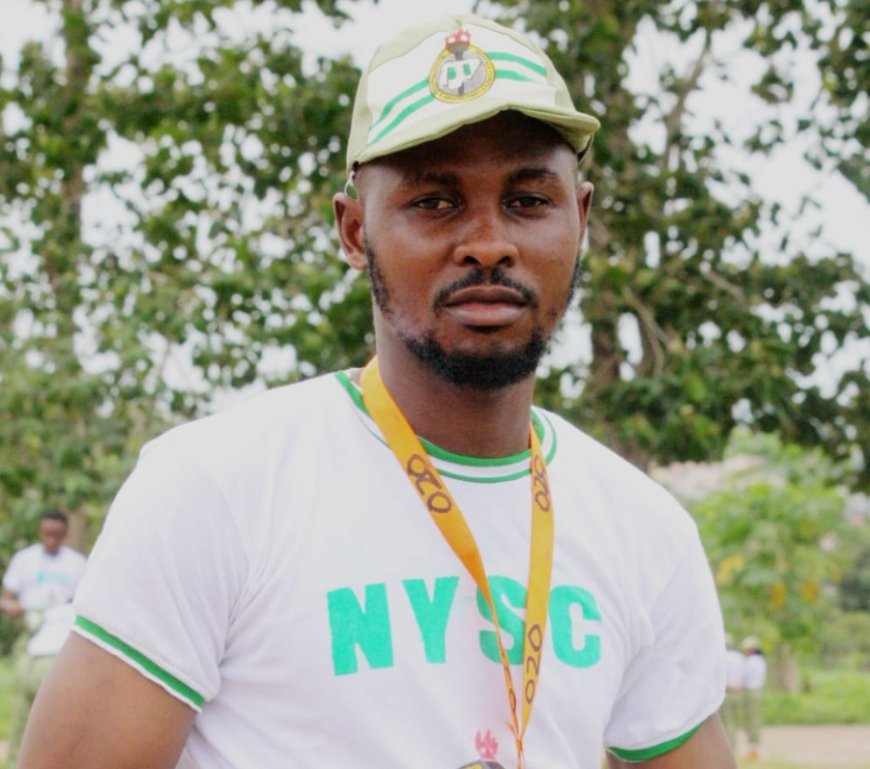
By Samuel Olalekan Olamide
One of the things my uncle, Prof. Samuel Fasanmi, taught me was how to develop confidence in myself and completely jettison low self-esteem. It happened a few years back. He had planned a visit to our hometown for reasons best known to him, and I decided to follow him so I could collect my NECO certificate.
He offered to take me to the school himself. When we arrived, all the faces looked new, and the entire atmosphere felt strange. Most of the teachers I knew were no longer there; only the security officer remained from the time I was a student. I walked up to him and asked where the principal’s office was because it had been relocated.
As the officer pointed in the direction of the office, my uncle saw us. When I walked away from the security man, my uncle asked what I had discussed with him. I told him I only asked for the principal’s office. The next thing I felt was a heavy knock on my head. Despite being in a public place, he didn’t hesitate to show his displeasure.
On our way home, he said something I will never forget:
“You are suffering from low self-esteem. Why would you approach a security officer when you could have spoken to any of the teachers?”
That day marked the end of low self-esteem. I began to approach situations with boldness.
LIFE IN THE UNIVERSITY
This confidence helped me greatly when I got to the university. As a Yoruba boy living in the North, it wasn’t easy adapting to a new environment, culture, and lifestyle. But with God’s help and the unalloyed support of my family—especially my uncle Prof. Samuel Fasanmi.
I joined my course-mate in 200 Level after securing admission through Direct Entry. The weather in Yobe and the academic pressure made things difficult at first. But 200 Level became my foundation at Federal University, Gashua, Yobe State. It was the level that gave me recognition in the department and beyond. It was also where I earned the nickname OLA, thanks to my academic performance and relationship with everyone.
300 LEVEL. THE TOUGHEST STAGE
300 Level was the hardest stage of my academic journey and the one that truly tested my resolve. It was also where my leadership story began. I never expected to become the President of my department, but I had unknowingly predicted it earlier.
One day, in Hall A (100-capacity lecture theatre), while we were talking randomly, I casually said, *“I will be the next president.” I still remember the look on the face of the person who later became my opponent in the election—his disbelief was obvious.
THE CAMPAIGN ERA
The incumbent President and his executives came to announce that nomination forms for various positions were out. I didn’t take it seriously at first. My opponent had already purchased his form. The whole class had initially endorsed the former class rep, Sunday Adamu, believing he was removed unjustly by the HOD. But due to his issues with the HOD, people felt he wouldn’t be given the chance to run.
For days and even weeks, no one else came out for the position of President, until something within me pushed me to contest. I informed my uncle, and he supported the idea.
My campaign was short because I bought the form just a few days before the election. I didn’t have big intentions; I simply wanted an actual election to hold rather than a one-man installation. I moved from class to class with the few people supporting me. The confidence my uncle had instilled in me years earlier still reflected in the way I addressed crowds boldly and fluently.
At some point, I became a bit worried because my opponent was Hausa, from Kaduna, and partly from Benue. He spoke both Hausa and English fluently, which gave him a huge advantage over me. But I never allowed it to discourage me. I kept believing.
THE ELECTION DAY — 17/08/2023
I’m not someone who naturally seeks power, but I understood that an election was necessary. The hall was rowdy, filled with students from 100 Level to 400 Level waiting to choose their preferred leader.
I saw my opponent distributing items, cheering people, and trying to win support. I remained calm. My supporters some of whom I never even imagined, came to reassure me that they were voting for me.
I had no fear or anxiety. In my mind, I was ready for any outcome.
The voting started level by level. When the counting began, the hall went silent. Abass Abiodun, who later succeeded me as President, was my agent standing right there with the counting team. One of our lecturers, Mr. Kachalla, coordinated the counting.
The results weren’t even announced yet when one of my Hausa friends called me “Mr. President.” It felt surreal to win against someone who spoke the native language fluently and had been with them from 100 Level, while I joined in 200 Level through Direct Entry.
In the end, I won by a wide margin. About 75% of the total votes were in my favour.
THE LEADERSHIP ERA FULLY BEGAN
The victory marked the beginning of a new journey—one that demanded responsibility, sacrifice and growth.
After the election, the new executives and I met with our HOD, Dr. Sunday Alewo Omale, to introduce ourselves and receive guidance. He made a statement that reshaped my entire understanding of leadership. He said:
“Leadership is about sacrifice. If you cannot sacrifice, then you lack the charisma to be a leader.”
Those words stayed with me throughout my tenure as President.
We faced several challenges, but my executives were supportive and cooperative. One of the most dedicated among them was Isah Moses, the General Secretary. He worked tirelessly, filling loopholes, creating time out of his tight academic schedule, and standing firmly for the association even in difficult situations. He also played a key role in initiating the opening of the association’s bank account, which was later completed by the next administration.
Being President truly tested my resolve. There were times I had to step out of my comfort zone to handle pressing departmental matters. One such incident was when students were asked to print their projects in the departmental business lab. The situation escalated into an agitation, and I was almost implicated when it was assumed I was the one who orchestrated it.
Another stressful but memorable challenge was when I single-handedly oversaw the production of our departmental photo album. It demanded a lot of time, energy, and coordination, but I eventually succeeded.
My becoming President was made possible by God’s grace and the unwavering support of my family and friends. The experience shaped me, strengthened me, and ignited a new sense of reform and purpose within me.