Rivers Crisis: Fubara, Wike Meet Tinubu in Abuja as Reconciliation Efforts Intensify
 Margaret ABAH
By Margaret Abah
ABUJA — Fresh indications of reconciliation have emerged in Rivers State following President Bola Tinubu’s intervention in the protracted political crisis rocking the oil-rich state.
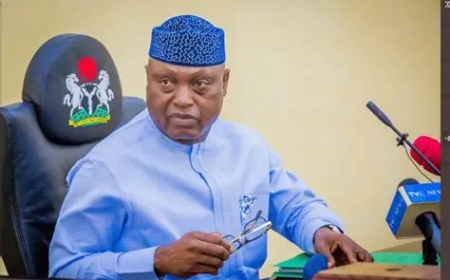
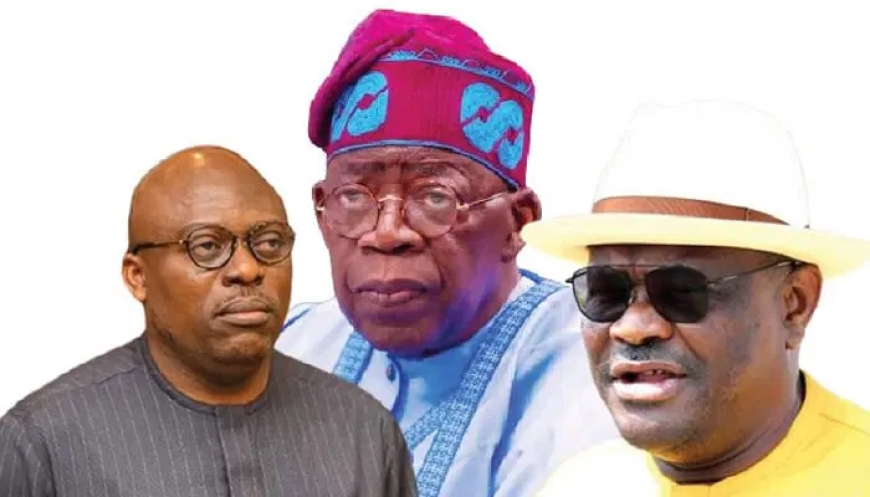
Sources within the Presidential Villa confirmed that the President convened a late-night meeting in Abuja with the Minister of the Federal Capital Territory, Nyesom Wike; Rivers State Governor, Siminalayi Fubara; and other key political stakeholders from the state. Although details of the closed-door talks were not officially disclosed, the meeting is believed to have focused on finding a lasting resolution to the lingering political tensions in Rivers State.
Further reports indicated that Governor Fubara accompanied Wike to his residence in Guzape, Abuja, after the meeting, a development widely viewed as a positive signal of rapprochement. Unconfirmed accounts also suggested that the governor appealed to the former Rivers governor and pledged to avoid actions that could be interpreted as disrespectful, reinforcing speculation of an emerging reconciliation between the two political heavyweights.
The meeting comes after months of intense political tension between Governor Fubara and his predecessor, Wike, who currently serves as FCT Minister. The rift, which became public shortly after Fubara assumed office, triggered deep divisions within the Rivers State House of Assembly, with lawmakers splitting into rival factions aligned with the two leaders.
The crisis escalated into impeachment threats against the governor, prolonged legal battles, and repeated disruptions of legislative activities, raising concerns about governance and political stability in the state. The disagreement has largely been linked to a struggle for political control and influence, particularly over party structures and the direction of governance in Rivers State.
Despite several earlier reconciliation efforts by party leaders and stakeholders, the standoff persisted, fuelling uncertainty within the ruling party and across the state’s political landscape.
President Tinubu’s intervention is therefore seen as a strategic move to restore peace, stabilise governance, and prevent further escalation of the crisis, especially as the administration looks ahead to future political engagements and internal party cohesion.
Observers say the outcome of the Abuja meeting could mark a turning point in the Rivers political crisis, with implications for governance, legislative stability, and party unity in the state.