Bwala’s Al Jazeera Interview Damaging to Nigeria, Tinubu’s Government – Moghalu
 Margaret ABAH
By Abah Margaret
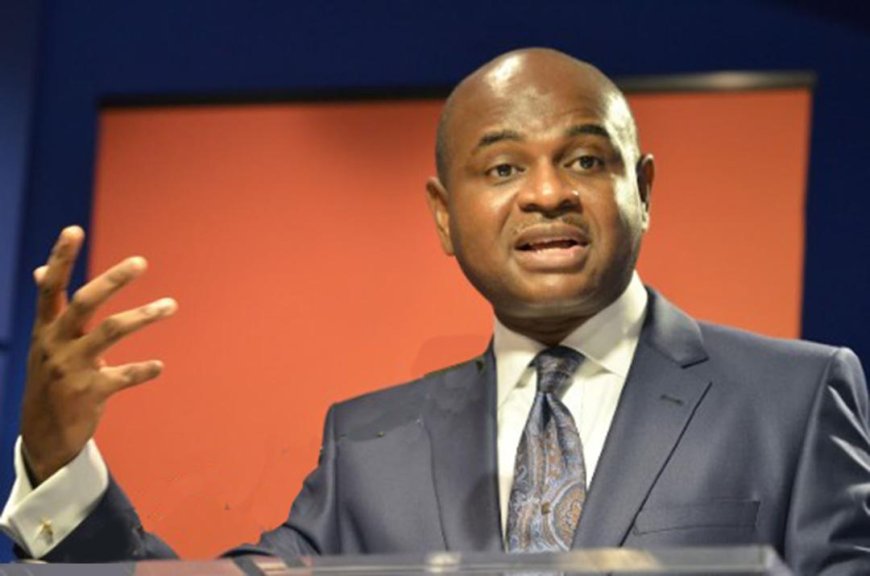
A former Deputy Governor of the Central Bank of Nigeria, Kingsley Moghalu, has criticised an interview granted by President Bola Tinubu’s media aide, Daniel Bwala, on Al Jazeera programme Head to Head.
Moghalu described the interview as damaging to Nigeria and the administration of Bola Ahmed Tinubu, calling it a “disaster” for the country.
In a statement, the former CBN deputy governor said the interview conducted by journalist Mehdi Hasan exposed Nigeria’s leadership to harsh global scrutiny.
According to him, the interview was “a disaster of gargantuan proportions for Nigeria as a country, for President Tinubu’s administration, and for Bwala himself.”
He added that while Bwala’s personal reputation might have been affected, it was the least significant concern when compared to the damage done to the country’s image.
Moghalu argued that the programme portrayed Nigeria poorly on the global stage, particularly because of its international audience and wide reach.
“The interview made a spectacle of Nigeria, not just because of the reach of the programme globally, but also because of the format in which there was a live global audience present,” he said.
He further questioned the impression viewers might have formed about Nigeria after what he described as a “fact-based dismantling” of the country’s leadership and governance performance.
The former CBN deputy governor said the episode highlighted deeper problems within Nigeria’s political culture, which he claimed is often driven by opportunism rather than ideology or clear policy direction.
“It was a sad commentary on Nigeria’s political culture in which there are no beliefs, no policies, no ideology — just crass opportunism and the struggle for political power. Turncoat politics has become the norm,” Moghalu said.
He also criticised the standards used in selecting government spokespersons, suggesting that loyalty often takes precedence over competence in political appointments.
“Sending Bwala, given his record, to represent the President of Nigeria on the international stage says a lot about the standards by which the government recruits people for such roles,” he said.
Moghalu also questioned the practice of appointing former critics of the administration as government spokespersons or representatives after they switch political allegiance.
“Why appoint former attack dogs of the political opposition as spokespersons and ambassadors for the administration simply because they have defected?” he asked.
According to him, such individuals often carry political baggage that can undermine their credibility when representing the government.
He added that during the interview, Bwala appeared to struggle to defend previous statements, alleging that the presidential aide was “trying to eat his own words.”
Moghalu noted that there are more credible individuals who could represent the Nigerian government more effectively, even in the face of criticism of its performance.
“I think there are people who could be far more credible spokesmen and women for Nigeria’s government, even with all its underperformance in governance,” he said.
Reflecting on reactions from the international community, Moghalu revealed that several friends from different countries had contacted him after watching the interview.
“It was a sad day for our country. I received several calls from friends across the world. They were shocked and felt sorry that Nigeria was put in such a position,” he said.
Despite the country’s challenges, Moghalu said many people around the world still believe Nigeria has the potential to become a leading nation.
“Many people are waiting and hoping for when Nigeria will wake up and take its rightful place under the sun,” he added, noting that Nigerians remain hardworking, talented and respected globally.