South Africa Cuts Fuel Tax as Pump Prices Surge
 Margaret ABAH
By Abah Margaret
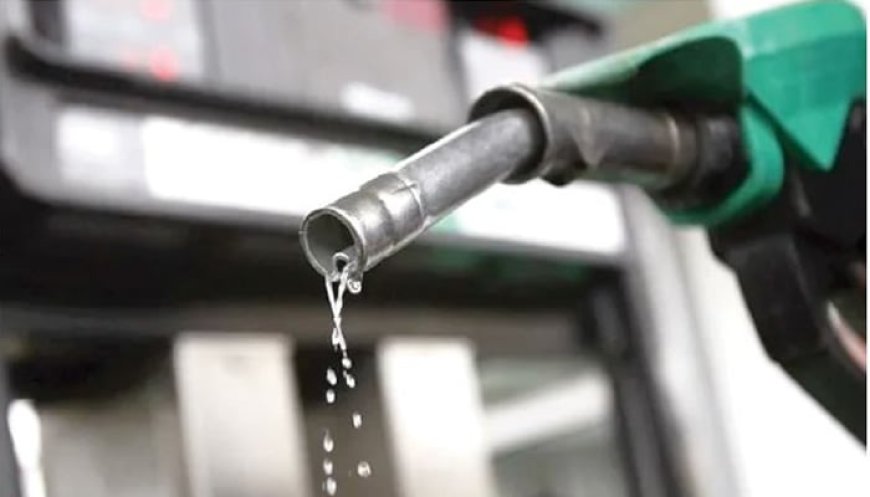
South Africa has announced a temporary reduction in fuel tax to cushion the impact of rising global oil prices, even as motorists face one of the steepest pump price increases in recent history.
In a joint statement released on Tuesday, the country’s finance and petroleum ministries disclosed that the general fuel levy would be reduced by three rand (about $0.18) per litre for a period of one month.
Despite the tax relief, fuel prices are set to climb sharply. Diesel prices will increase by more than seven rand per litre—representing a 40 per cent hike—while petrol prices will rise by about 15 per cent. Paraffin, a key energy source for low-income households used for cooking, heating, and lighting, will see an alarming 93 per cent surge.
The government said the tax cut would result in an estimated six billion rand (approximately $352 million) in lost revenue. However, officials insist the measure will remain fiscally neutral, with the shortfall expected to be recovered through alternative means.
Finance Minister, Enoch Godongwana, admitted uncertainty over how the government would immediately cover the revenue gap, stating, “I don’t know where I’m going to find this money for now.”
The development comes amid ongoing fiscal pressures, following last year’s controversial proposal to increase value-added tax, which exposed divisions within the coalition government formed by the African National Congress after the May 2024 general elections.
Authorities say additional measures are being developed to support households and critical sectors of the economy.
Global oil prices have surged in recent weeks due to disruptions in tanker shipping through the Strait of Hormuz, linked to the ongoing conflict involving Iran, the United States, and Israel. The situation has triggered widespread concerns over potential fuel shortages and economic instability worldwide.
While South Africa has largely avoided widespread fuel scarcity, some filling stations have reported temporary shortages as motorists rush to purchase fuel ahead of the price increases. Meanwhile, minibus taxi operators—who provide the bulk of public transportation—have warned of possible fare hikes in response to rising operating costs.