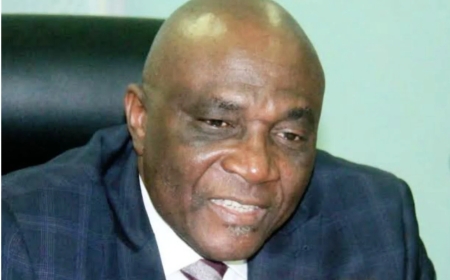
The Office of the Accountant-General of the Federation has attributed the delay in the payment of February 2026 salaries for some federal workers to shortfalls in personnel cost allocations.
This was disclosed in a statement issued on Monday by the Director of Press and Public Relations at the office, Bawa Mokwa.
According to the statement, the delay affected staff of the Federal Ministry of Steel Development and four federal agencies due to funding gaps in their salary budgets for the month.
The agencies affected include the Nigerian Export Promotion Council, the Rural Electrification Agency, Kamuku National Park, and the Council for the Regulation of Freight Forwarding in Nigeria.
“The delay was caused by salary shortfalls recorded in the personnel cost allocations of the affected MDAs,” the statement said.
The Office of the Accountant-General explained that the clarification followed concerns raised by civil servants over the non-payment of February salaries in some federal organisations.
It added that the affected ministries, departments, and agencies had been advised to engage with the Cash Management Office of the Federal Ministry of Finance to resolve the funding shortfalls responsible for the delay.
The office noted that the issue was limited to the listed organisations and confirmed that salaries for other federal workers had already been paid.
The statement also addressed complaints from civil servants whose salary accounts are domiciled with Standard Chartered Bank. It explained that although salaries had been paid into the bank, the workers were unable to access their funds due to the bank’s policy requiring a minimum opening balance of N7 million.
The Office of the Accountant-General assured affected workers that steps were being taken to resolve the issues and ensure the prompt payment of outstanding salaries.
In the proposed 2026 Federal Government budget, personnel costs for ministries, departments, and agencies are projected at about N8.36 trillion, with additional allocations for pensions and gratuities expected to push total staff-related spending higher.

 Margaret ABAH